The story

What we’re building, and why.

Kabeela is an attempt to live among people who really know each other. This page explains why, and how far we’ve got.

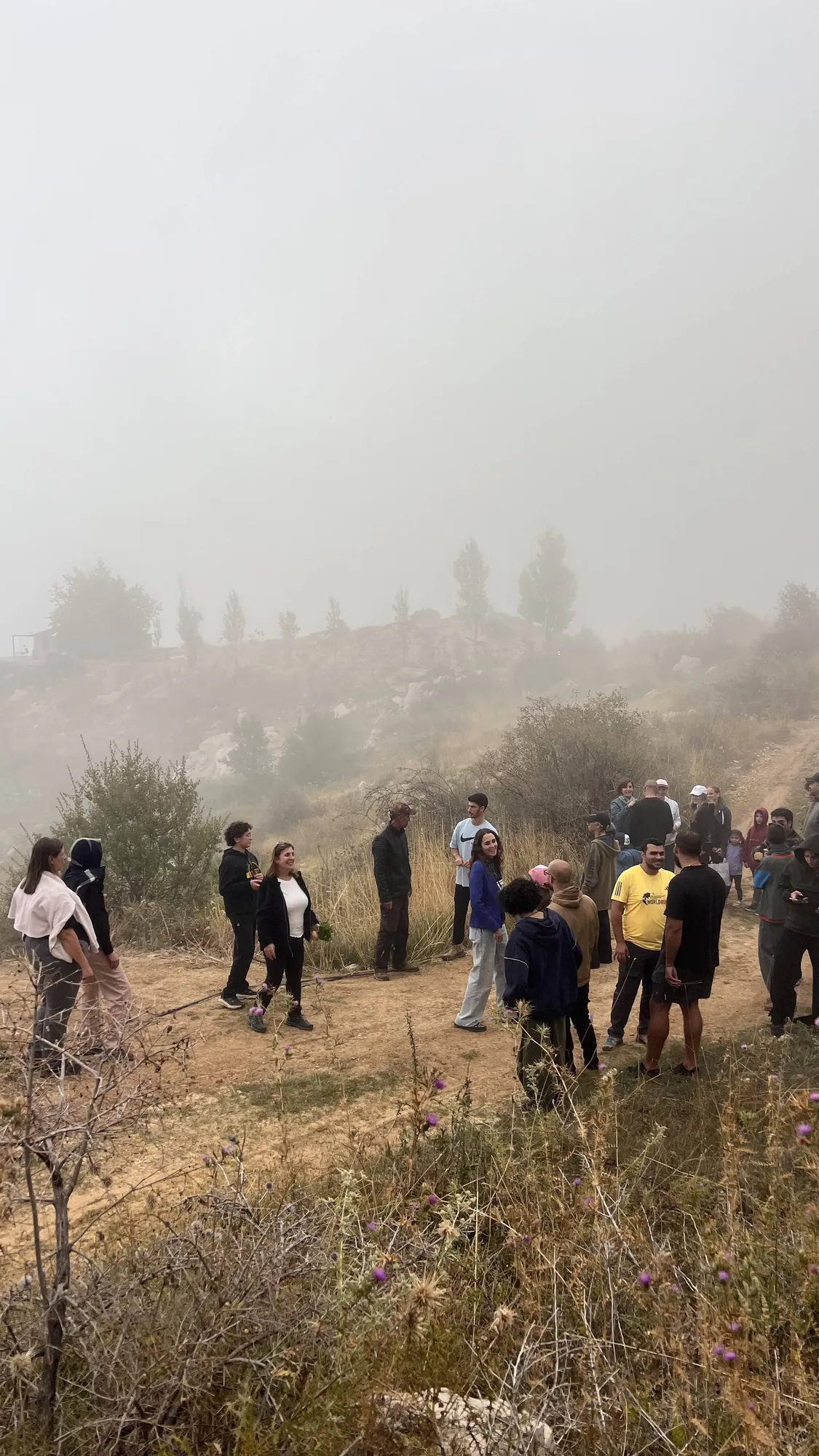
Fog over the hillside, and beneath it around thirty people standing and talking in small groups on a dirt path, with thistles in the grass in front

People who know each other, over years

The thing we want most is easy to describe and hard to buy. People who know each other well. Who notice when you’re missing from the table. Who have seen you at your worst in February and still save you a seat.

That kind of knowing takes time in one place, and time in one place needs a reason. Ours is the land. A garden has to be watered tomorrow. A tree planted this year asks you to be around in ten. Farming gives us a reason to keep turning up at the same table.

So the vegetables matter, and so do the soil and the trees. They are what keeps us in one place.

Knowing each other is the point.

قبيلة ka · bee · la

The name

Kabeela is how we write قبيلة, the Arabic word for tribe. Arabic builds its words from three-letter roots, and this one grows from ق ب ل. The same three letters give the words for meeting someone face to face, for accepting them, and for going out to the door to welcome them.

Read that way, a tribe has little to do with blood. It’s the people you take in, and who take you in.

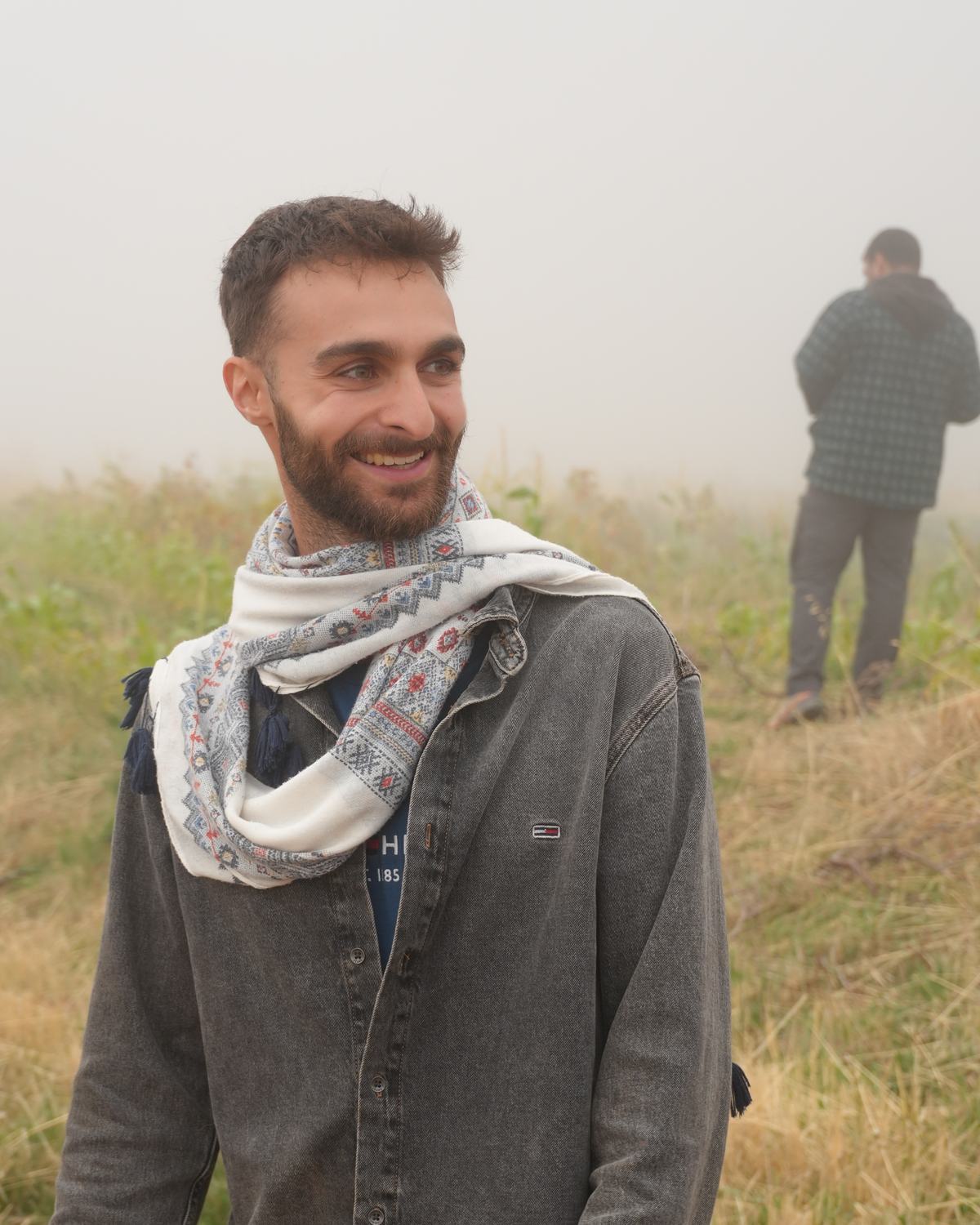
Serge Salame, founder of Kabeela, laughing in the fog on an open day, a patterned scarf around his neck
From the founder

I know what it is to be free and unmoored

I grew up between worlds. Lebanese roots, a Canadian upbringing, then years of moving. I was capable and free, and I didn’t belong anywhere in particular.

So I went looking. I lived in intentional communities in different parts of the world and paid attention to what held them together and what pulled them apart. I studied a way of farming that leaves the soil better than it found it.

Kabeela is my answer to that unmoored feeling. I want to build a place where people who feel the same pull can come and find that what they were sensing is real, and possible in Lebanon.

For now mine is the only name on this page. As more people root into the land, theirs will stand beside it.

Serge Salame
serge@kabeela.community

How it holds together

Kabeela is one thing with four sides. Each feeds the next.

The land grows the food. The food sustains the people. The people build the culture. The culture attracts the resources. And the resources restore the land.

Here is how far along each side is.

Land &Food LivingSpaces Governance& Culture Economy& Exchange the table the commons reciprocity stewardship KABEELA sustains builds attracts restores
Working

The farm

Vegetable production is the backbone. About 40,000 m² are under cultivation, with apple, cherry and walnut trees and 13,000 vines around them. Six land stewards do the daily work, and The Green Van, an agricultural consultancy, oversees it with us. The land is certified organic by CCPB. We are also planting the first syntropic rows, where food trees and support plants grow together and rebuild the soil as they go.
Working, in part

The money

The farm earned income in its first year. We sell through the shop and to wholesalers, and that pays the people who work here. Nearly everything the farm uses is bought in Lebanon. We buy supplies in the village and hire our neighbours for seasonal work. Stays, workshops and a farm table are planned for later, and so are ventures started by the people who live here. We’ll announce each one when it’s real.

Starting

The houses

There are old buildings on the land. A few are usable today, and most need restoring before anyone can live in them. We haven’t settled how we’ll build. We do know we want to use what the mountain offers, which is mostly stone and earth. The plan is private homes beside a shared kitchen and common rooms, running on renewable energy.

Forming

The decisions

Today Kabeela is a company held by its founder. The plan is for it to pass, step by step, into the hands of the people who build it. One principle is already fixed: funding Kabeela and belonging to it are separate doors. Money can help build the place. It can’t buy a seat at the table. Inside the circle, decisions will be made by consent.

The days we’re working toward

Open days already move like this. In time, ordinary weeks will too.

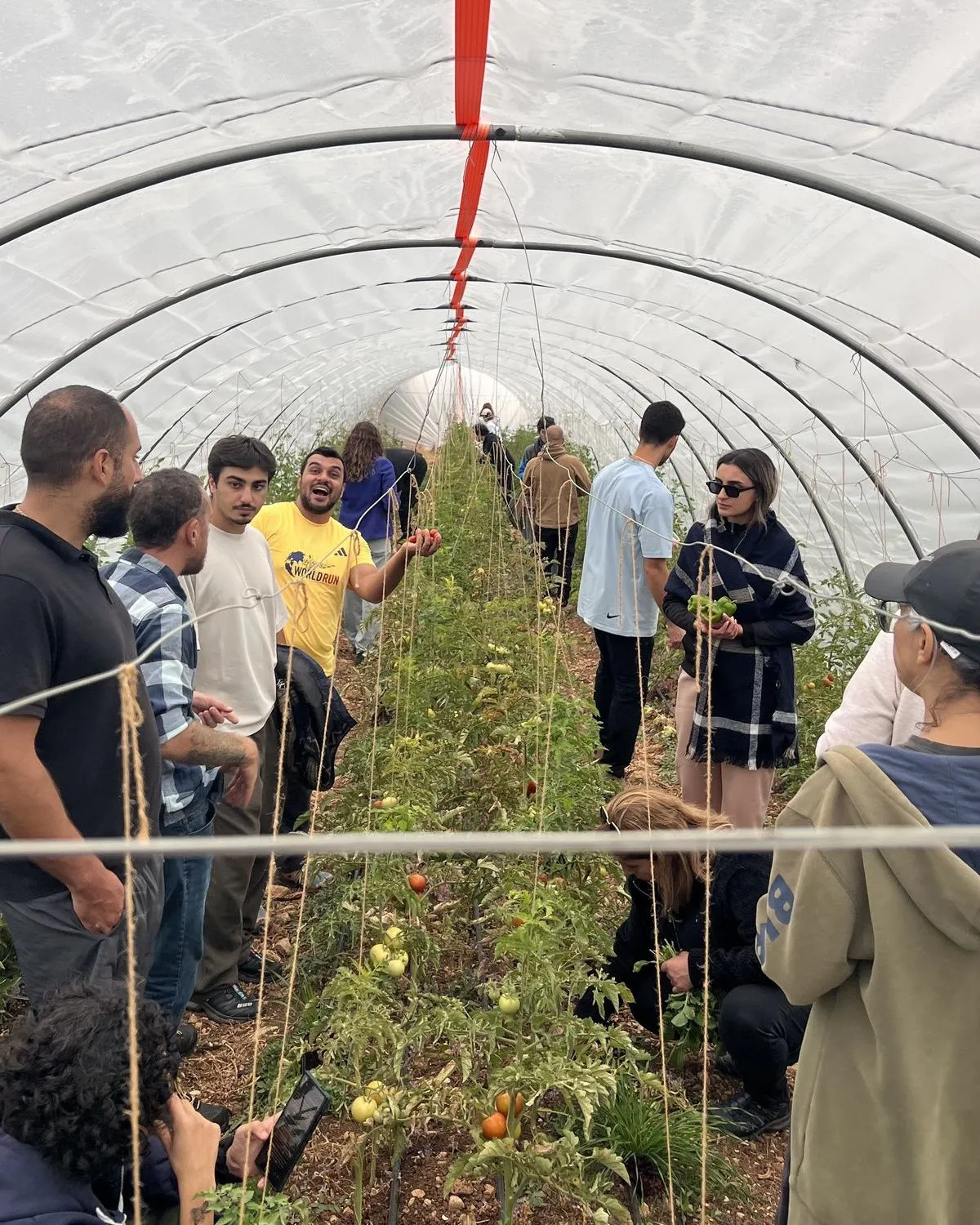
Visitors picking tomatoes along a row inside a long greenhouse tunnel
Morning

Work you can see

Planting, building, packing orders. By evening you can point at what you did.

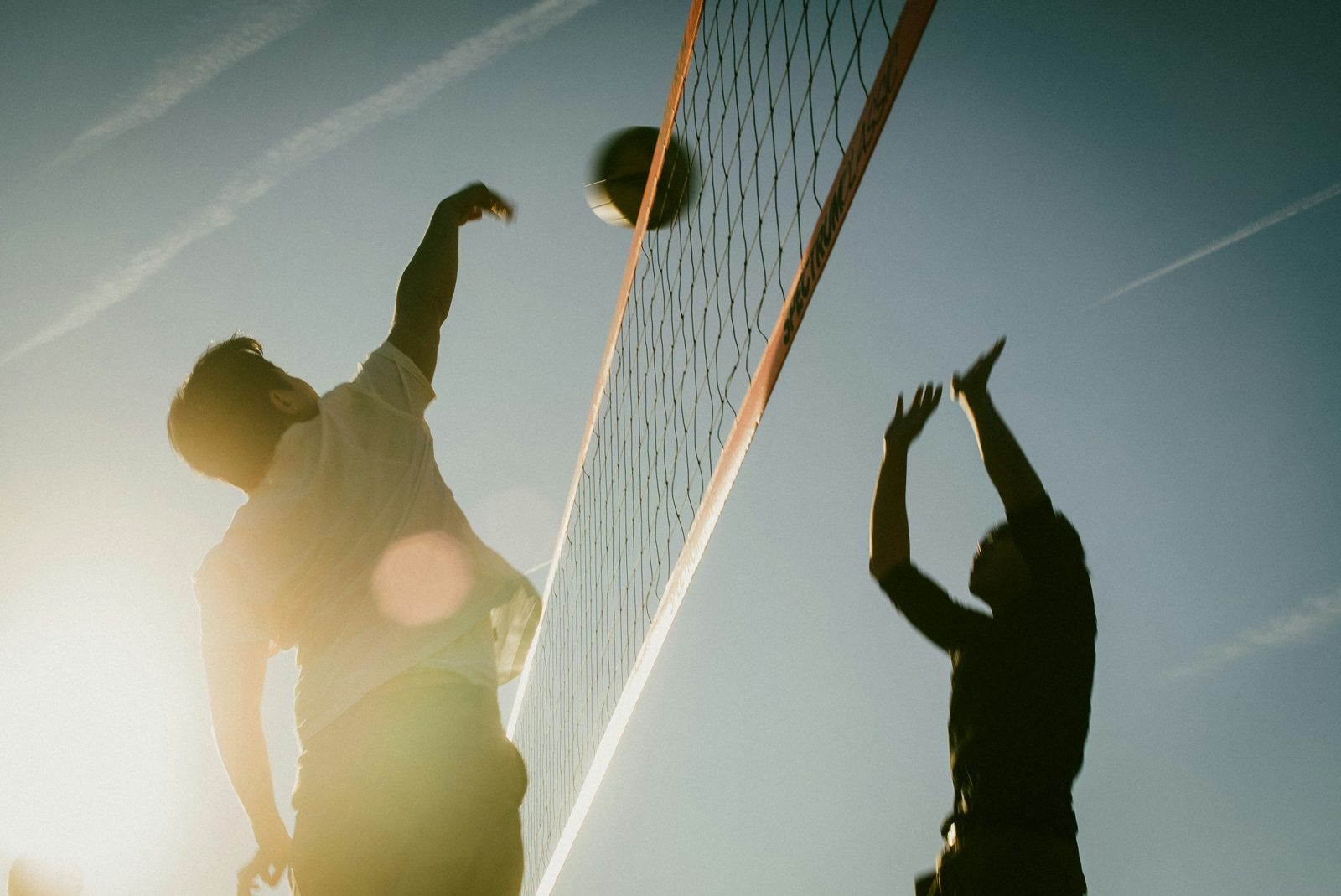
Two people playing volleyball at the net, silhouetted against the low sun
Afternoon

Time to play

A game, a walk up to the ridge, a project of your own. Nothing is scheduled, and that’s deliberate.

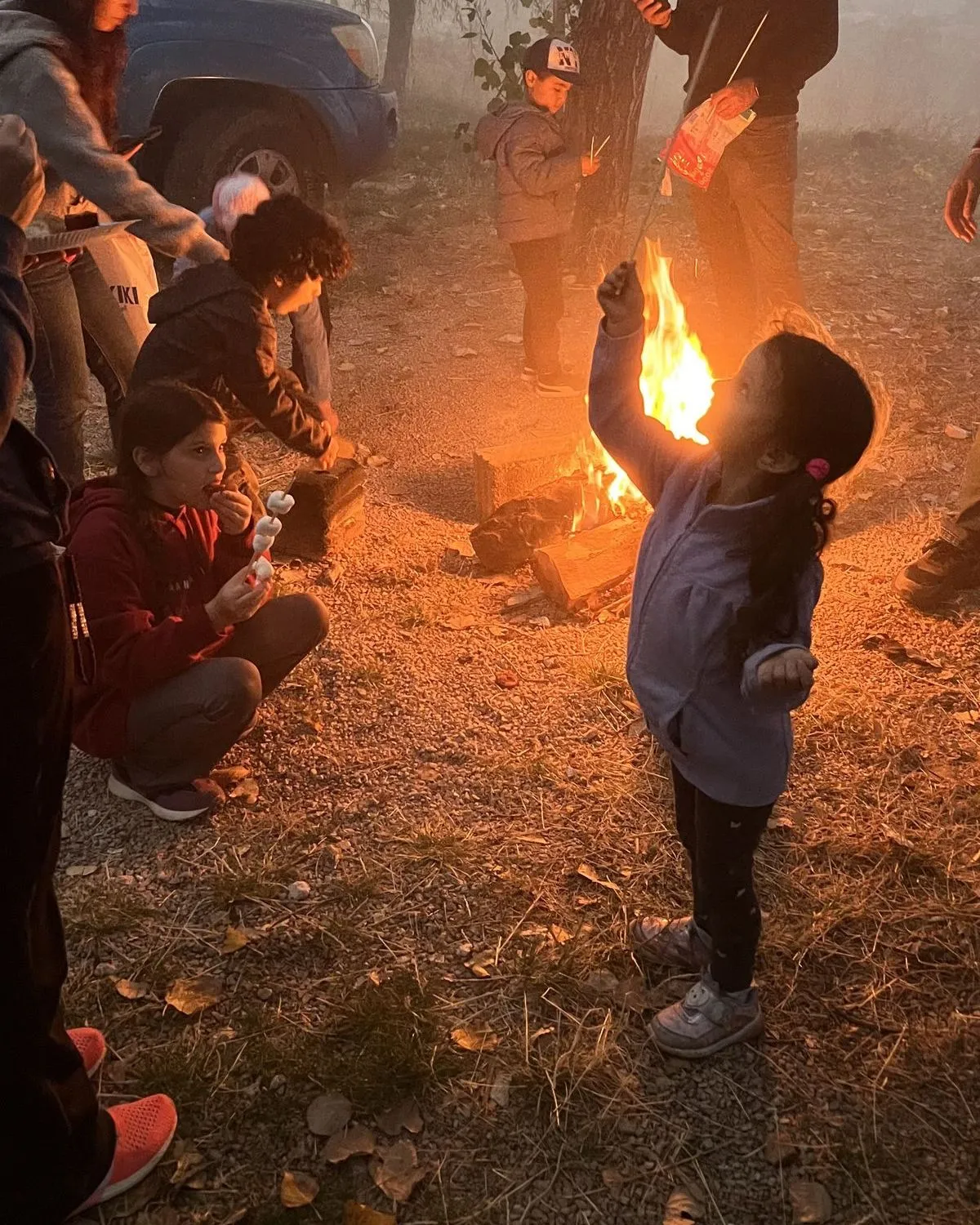
Children and adults roasting food on sticks around a small fire under a tree at dusk
Evening

The table gathers everyone

Dinner from what the land gave that week, then a fire. The best conversations tend to happen here.

So far, and next

We’re building in the open. This list only grows when something has happened.

See what’s on the land

  1. 2025

    The first stewards arrive on the land. First grape harvest.

  2. 2026

    First full vegetable season. The land is certified organic with CCPB. Deliveries begin, in our own refrigerated van. In the autumn we open the land to the public for the first time.

  3. Next

    An irrigation pond, so the rest of the land can be farmed. After that, the first shared spaces. What support builds

If this sounds like you

The next step is small. Come up for a day, or write and tell us what drew you here.